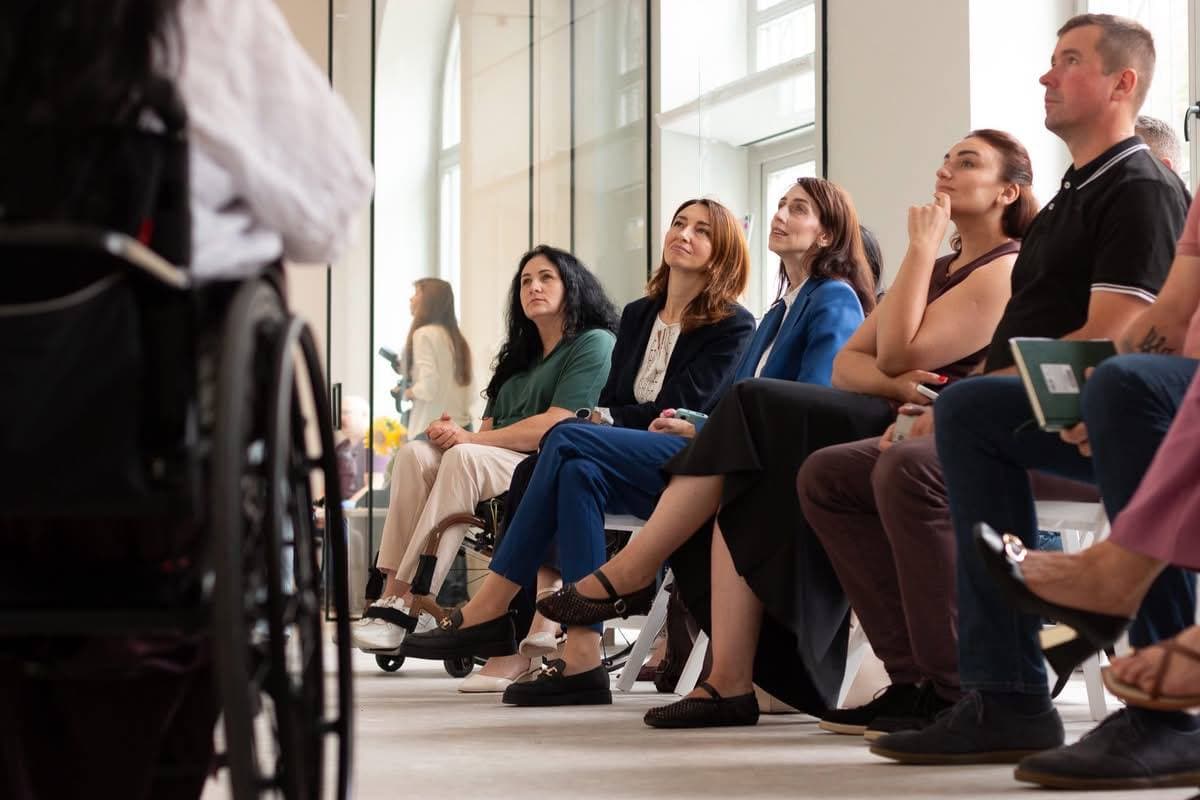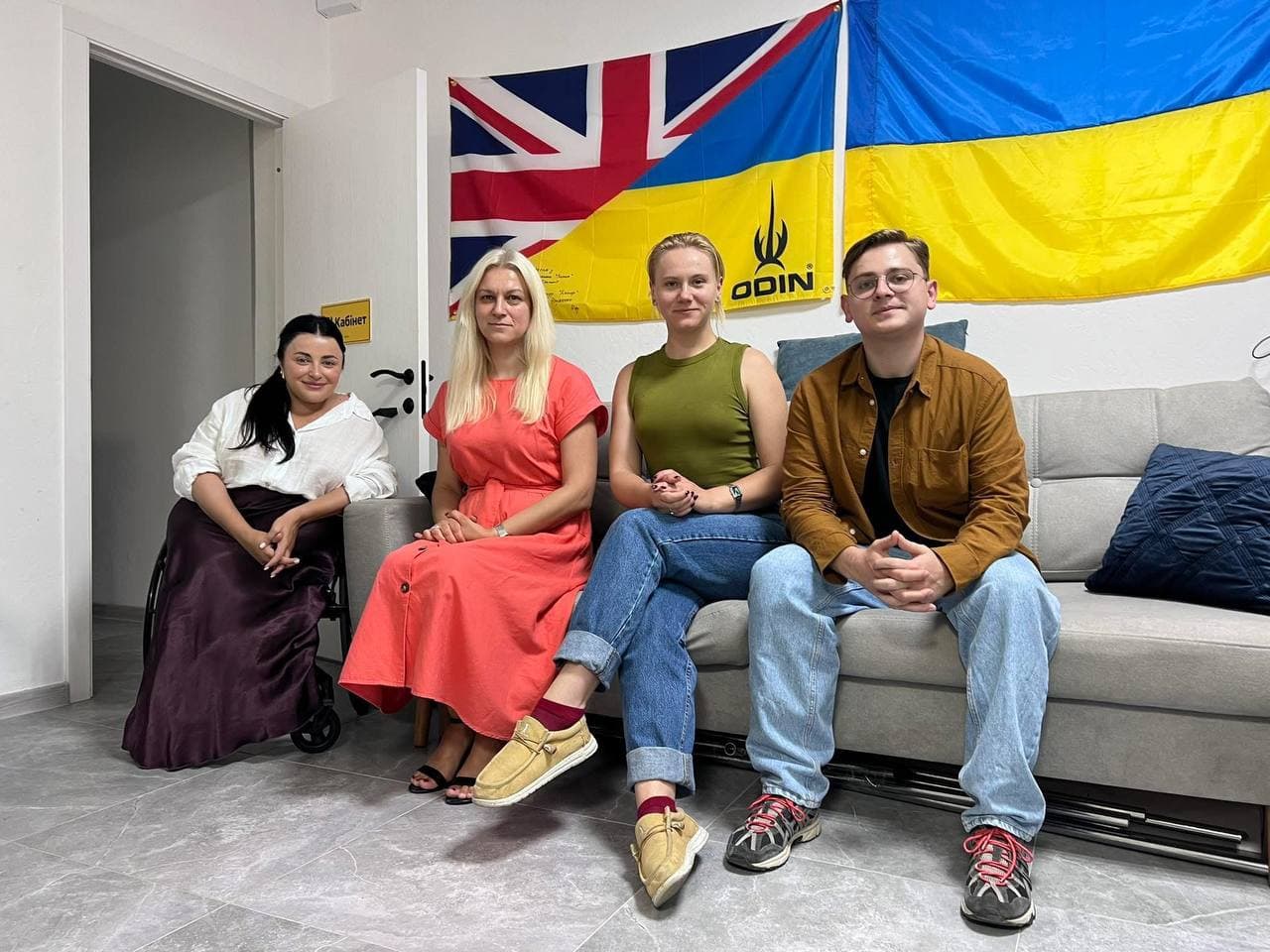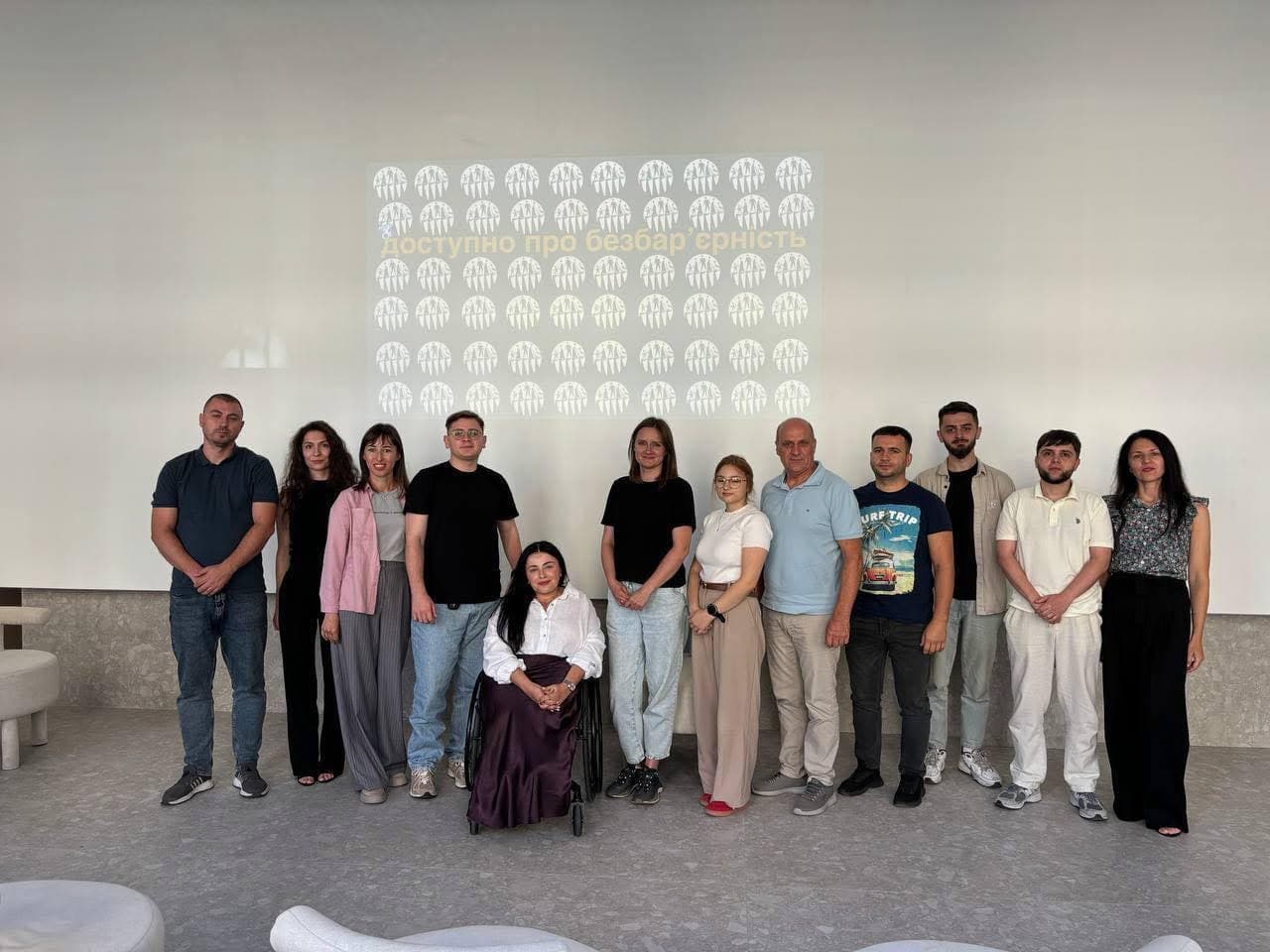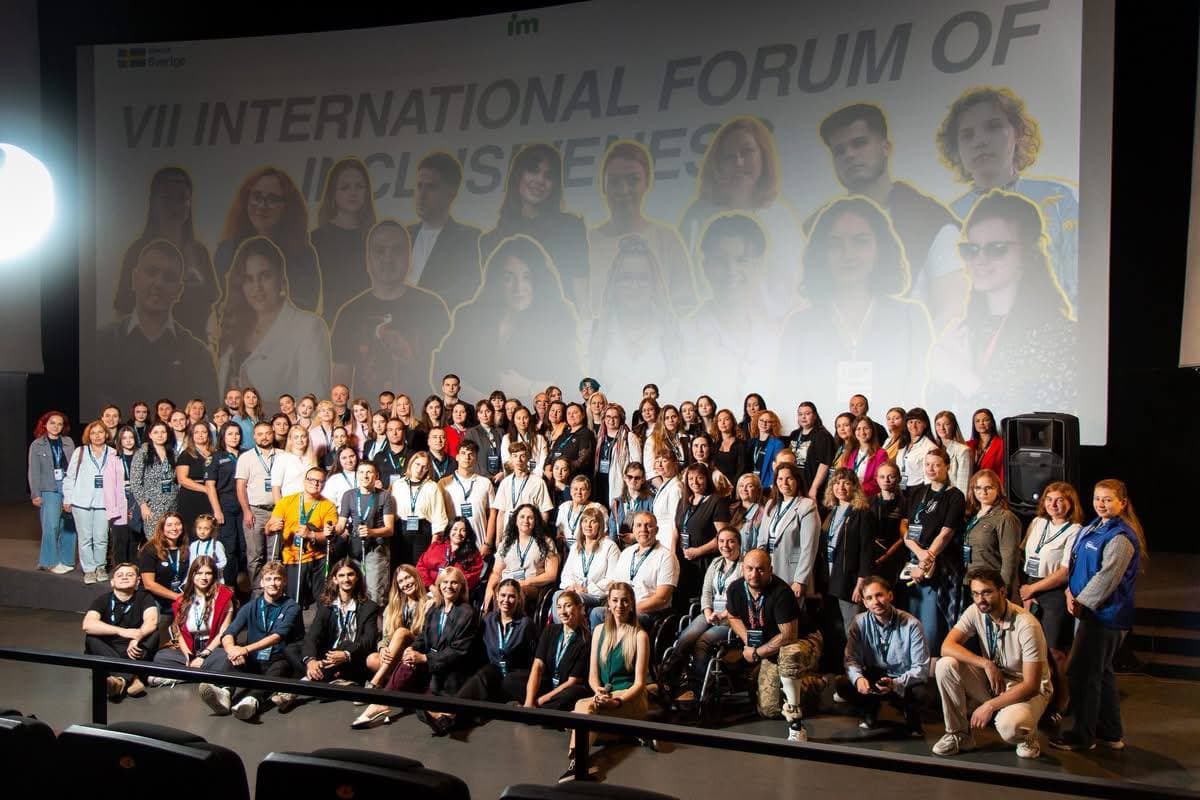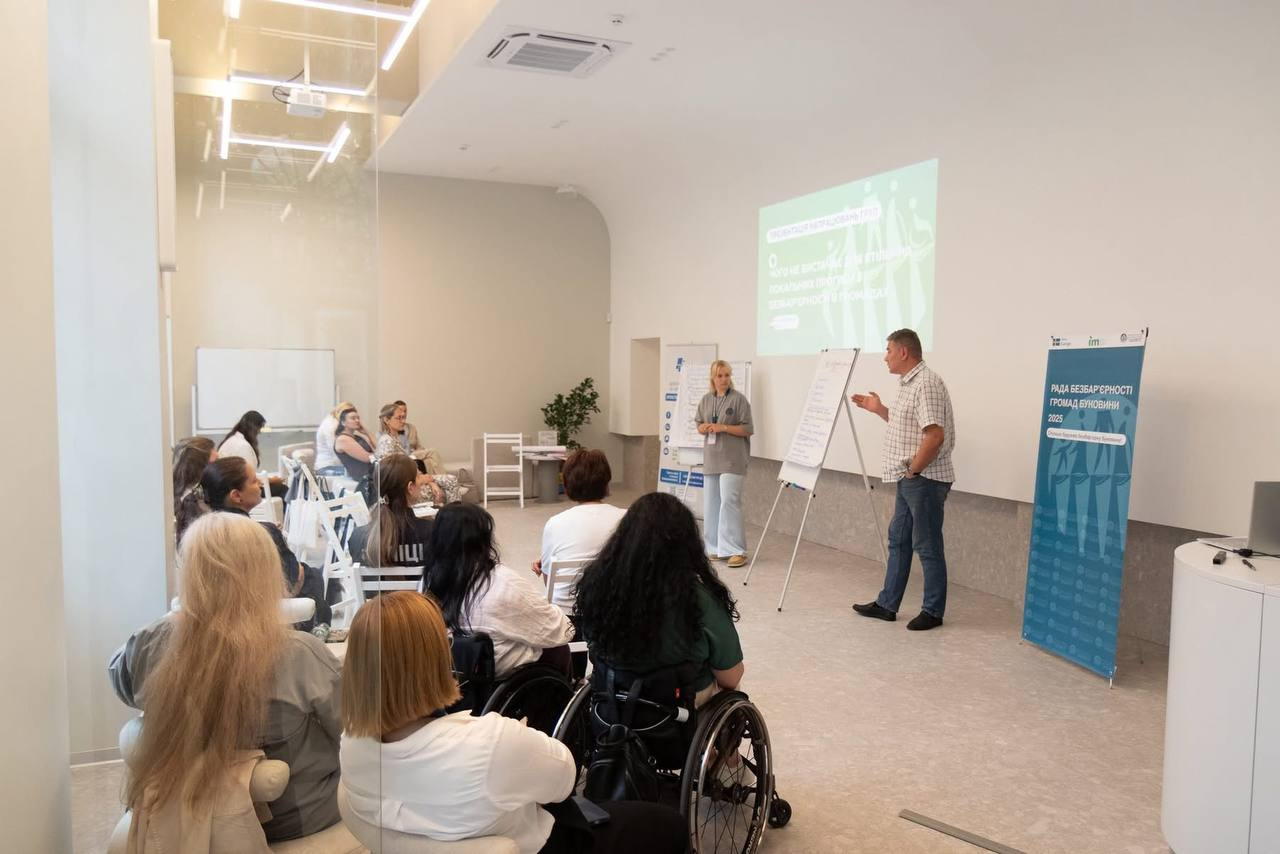
On 29 July, representatives from 17 communities in the region gathered in Chernivtsi to work on one of the most important issues for community development: creating a barrier-free environment.
At the conference, we discussed not only how to remove physical barriers, but also how to avoid creating new ones. Unfortunately, many communities are still constructing facilities that duplicate barriers — architectural, informational, and communicational.
We emphasised that accessibility is not only about and for people with disabilities. It is about convenience, accessibility and dignity for everyone: parents with prams, older people, people with temporary injuries, children, each and every one of us. Accessibility is what makes communities safe and comfortable for everyone to live and fulfil their potential.
In group work, participants analysed:
• What is the status of accessibility programmes in their communities?
• What has already been implemented?
• What barriers still prevent progress?
They also discussed real steps that communities can and should take right now to ensure that accessibility is not just a slogan but a practice — in every school, administrative service centre, medical facility, and public space.
For us, as organisers, this conference is not just an event, but a practical tool for updating approaches to implementing accessibility in the communities of Bukovina.
We brought together community representatives to identify not only challenges but also real solutions that can be implemented in the near future:
✔ conducting accessibility testing in communities,
✔ updating local programmes to reflect universal design principles,
✔ training teams to work without stereotypes and create an environment that is safe and comfortable for everyone,
✔ creating accessibility councils in communities where they do not yet exist, as well as advising on how to set up the councils;
✔ forming local coalitions for systematic work.
It is important for us that accessibility does not remain a declaration, but becomes action — in every space, every service, every decision.
And we understand that with communities and partners open to dialogue, this is entirely possible!